



Millions saved per year with accurate tank monitoring

Smarter Fuel Management Starts with Tank Monitoring
In today’s fast-moving world, running out of fuel isn’t just inconvenient—it can disrupt operations, impact comfort, and create unnecessary stress. That’s why more homeowners and businesses are turning to tank monitoring technology to take control of their fuel usage and eliminate guesswork.
At Kimbro, we believe proactive fuel management is the key to reliability, efficiency, and peace of mind.
What Is Tank Monitoring?
Tank monitoring uses wireless sensors installed directly on your fuel tank to track fuel levels in real time. These sensors securely transmit data to a monitoring platform, allowing both the customer and the fuel provider to see accurate tank levels at any moment.
Instead of estimating usage or relying on emergency deliveries, tank monitoring creates a smarter, data-driven approach to fuel delivery.
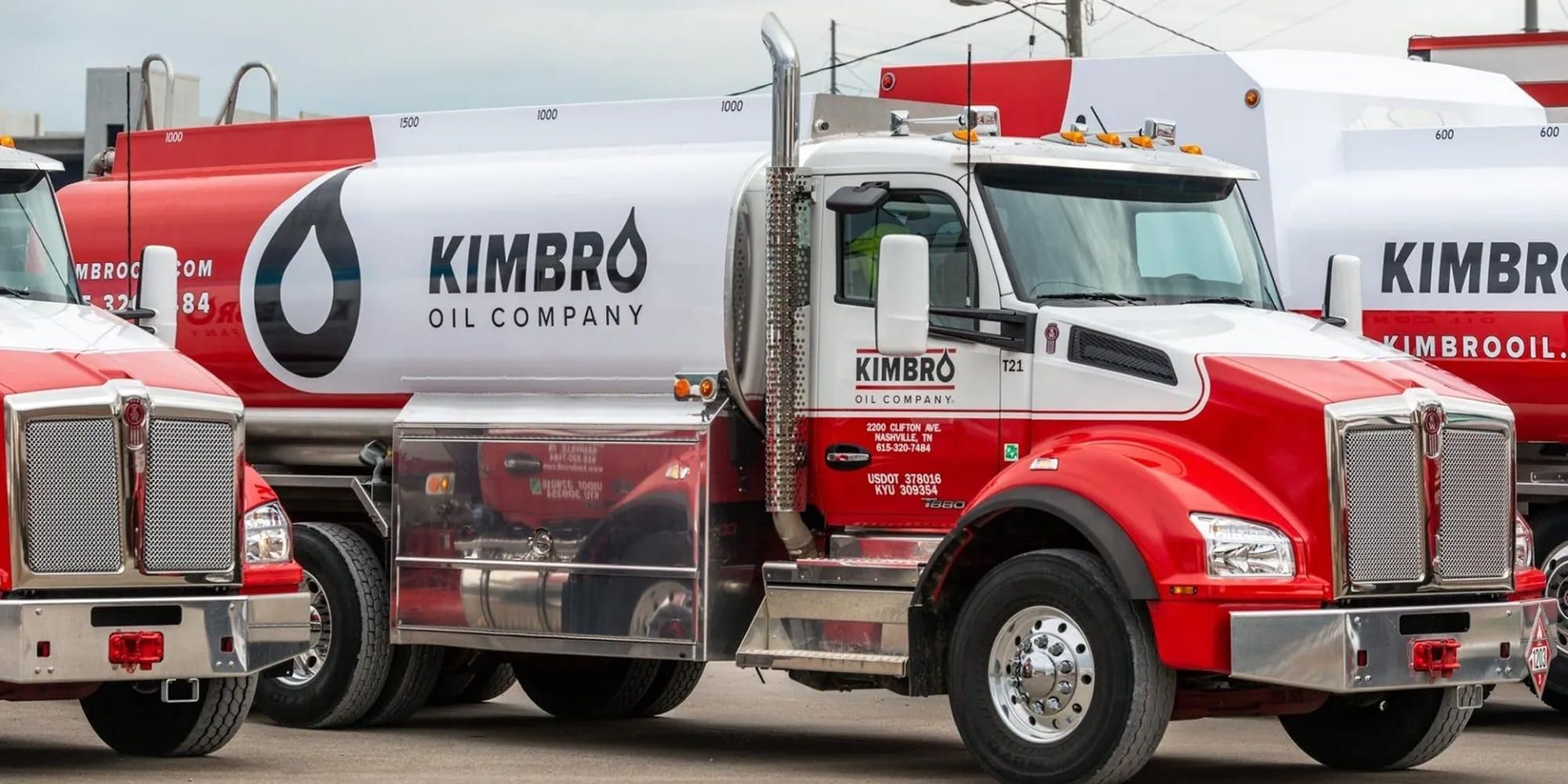
Why Tank Monitoring Matters
Traditional fuel delivery often depends on fixed schedules or customer calls—methods that can lead to overfilling, runouts, or inefficient delivery routes. Tank monitoring changes that by ensuring fuel is delivered when it’s needed, not too early and never too late.
With real-time tank data, fuel providers can plan routes more efficiently and respond faster to changing usage patterns—especially during extreme weather or peak demand seasons. For customers, this means fewer interruptions and more consistent service.
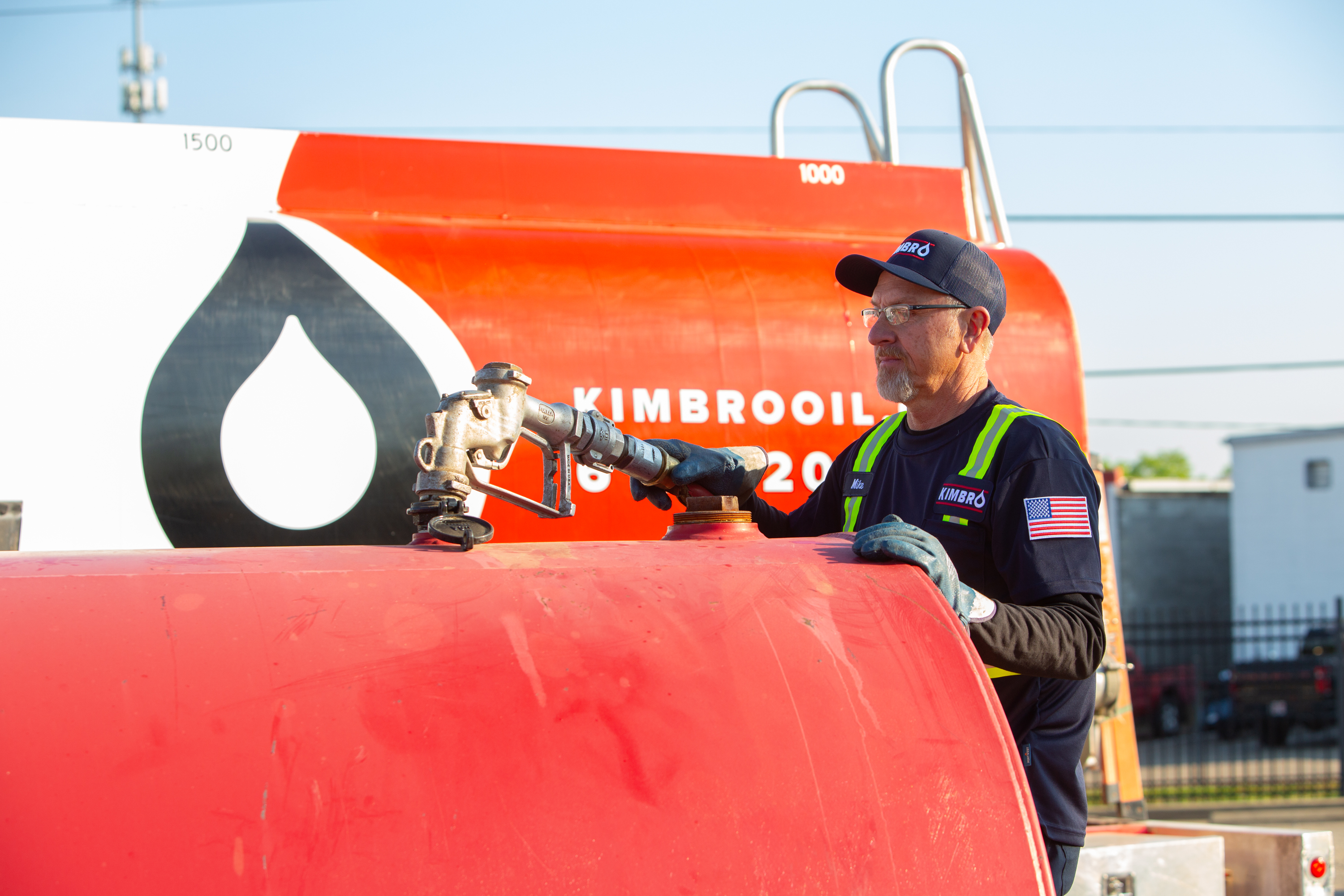
Smarter Fuel Management Starts with Tank Monitoring
In today’s fast-moving world, running out of fuel isn’t just inconvenient—it can disrupt operations, impact comfort, and create unnecessary stress. That’s why more homeowners and businesses are turning to tank monitoring technology to take control of their fuel usage and eliminate guesswork.
At Kimbro, we believe proactive fuel management is the key to reliability, efficiency, and peace of mind.
by using real-time tank level alerts instead of manual checks
with automated monitoring and low-level notifications.
through optimized routing and smarter refill scheduling
Related Success Stories
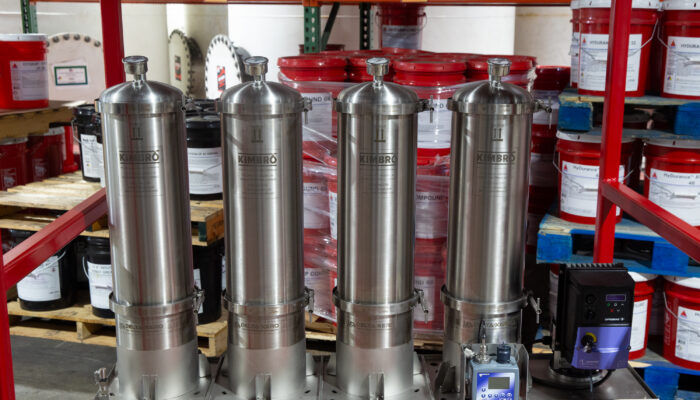
The Challenge At a plastic injection molding facility, a critical hydraulic oil system was experiencing a severe varnish and cleanliness problem. Membrane Patch Colorimetry testing confirmed the extent of the issue, returning an MPC value of 70.8—firmly in the critical range. Rather than replacing the oil, the customer partnered with Kimbro to restore its condition and […]
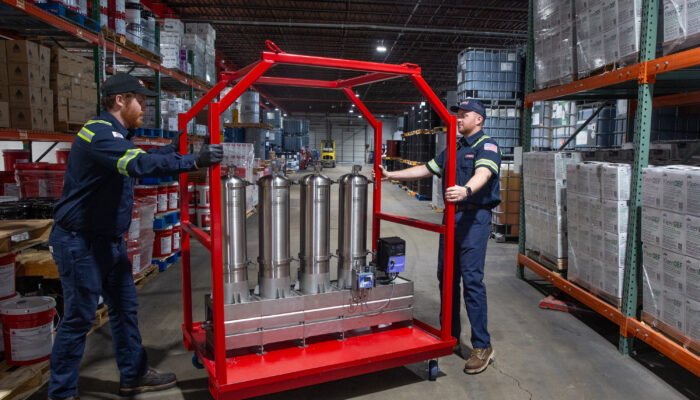
The Challenge A plastic injection molding facility was managing a serious varnish problem within a 1,100-gallon hydraulic system. Initial laboratory testing returned an MPC value of 72.6, placing the oil well into the critical range. Because of the system’s size, the objective extended beyond improving a single laboratory result. The customer needed a sustainable approach that could […]